What the two methods actually do
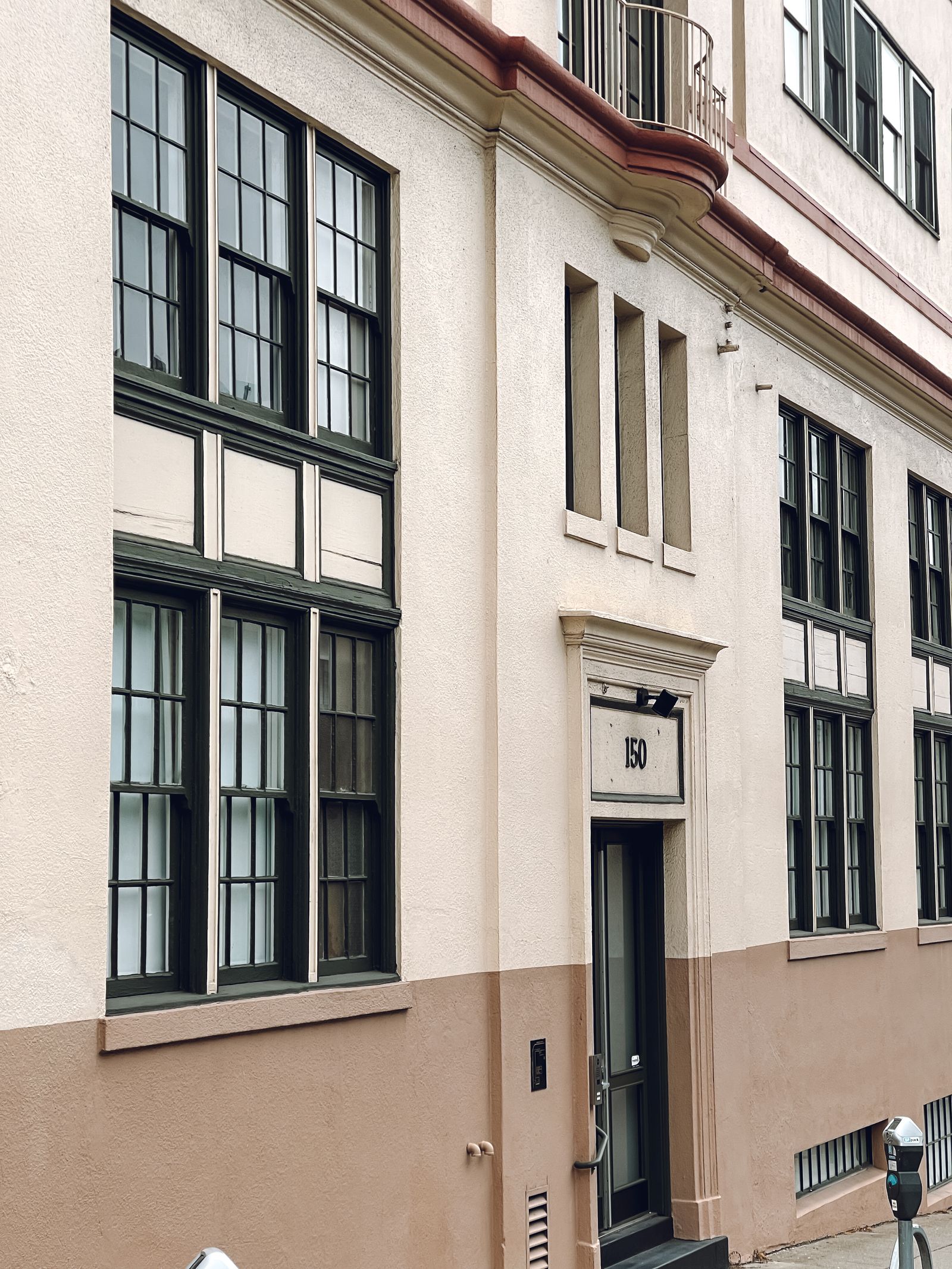
Soft washing relies on the cleaning solution, dwell time, agitation where needed, and a measured rinse to release compatible organic or atmospheric soil. It may be a good fit for biological film, pollen, and certain weathered facade deposits on tested masonry, coated panels, stucco, or other suitable surfaces. Low pressure reduces the mechanical impact, but it does not remove the need to protect glass, doors, plants, equipment, joints, and public routes. Chemistry can still harm an incompatible finish or travel into a sensitive opening.
Pressure washing puts more of the work into water impact and flow. That can suit selected sound concrete, some hardscape, and other durable areas when nozzle, distance, pressure, flow, temperature, and operator control are appropriate. The same approach can etch concrete, strip paint, open mortar joints, drive water behind trim, damage EIFS, disturb sealants, or mark soft stone. A building that looks solid from Route 21 may still contain vulnerable details at windows, corners, repaired masonry, and roofline transitions.
- Soft wash for tested, compatible organic or atmospheric surface soil.
- Controlled pressure for selected durable surfaces with a clear test basis.
- Contact, specialty, or repair work when the deposit is bonded or the substrate is failing.
- A mixed scope when walls, hardscape, windows, and loading zones differ.
Match the method to Newark materials and soils
A Newark facade may contain prewar brick, soft mortar, painted masonry, concrete, precast, terra cotta, stone, EIFS, metal panels, curtain wall, sealants, signage, and patched sections. Black or green discoloration may be organic film, but it can also be carbon, oxidation, water-related staining, or a failed coating. Efflorescence is associated with salts moving through masonry and is not responsibly solved by simply increasing pressure. Rust, grease, adhesive, paint, construction residue, and mineral scale each deserve separate identification and may need specialty chemistry, hand work, containment, or acceptance as an exclusion.
The lower building edge often needs its own method. Salt and slush collect at downtown entries, garages, curbs, truck courts, and airport approaches. A concrete loading slab may accept controlled pressure while the painted bollards, dock seals, adjacent brick, doors, and drains do not. A Ferry Street storefront may need gentle facade cleaning plus hand detail at frames and signs. A University Heights building may require a low-impact plan around air intakes and sensitive operations. The right quote itemizes zones rather than applying one process everywhere.
Use a test area before promising a finish
A small test area gives the property team a better basis for choosing between methods. The test should identify the material, soil hypothesis, solution or pressure approach, dwell, rinse, protection, drying time, and result. Review it after the surface is dry and compare the appearance from the normal viewing distance. A wet wall can look cleaner than it will after salts, shadowing, frame runoff, or remaining oxidation become visible again.
A test is not a guarantee for every elevation. Sun, shade, repairs, mortar age, coating condition, traffic exposure, and water movement can change the response from one side of the building to another. It is still more useful than a generic claim that soft washing is always safer or pressure washing is always faster. Ask the vendor to state what improvement is expected, what may remain, what happens if the test exposes a coating or repair problem, and whether the recommended process changes by zone.
Compare access along streets, campuses, and industrial edges
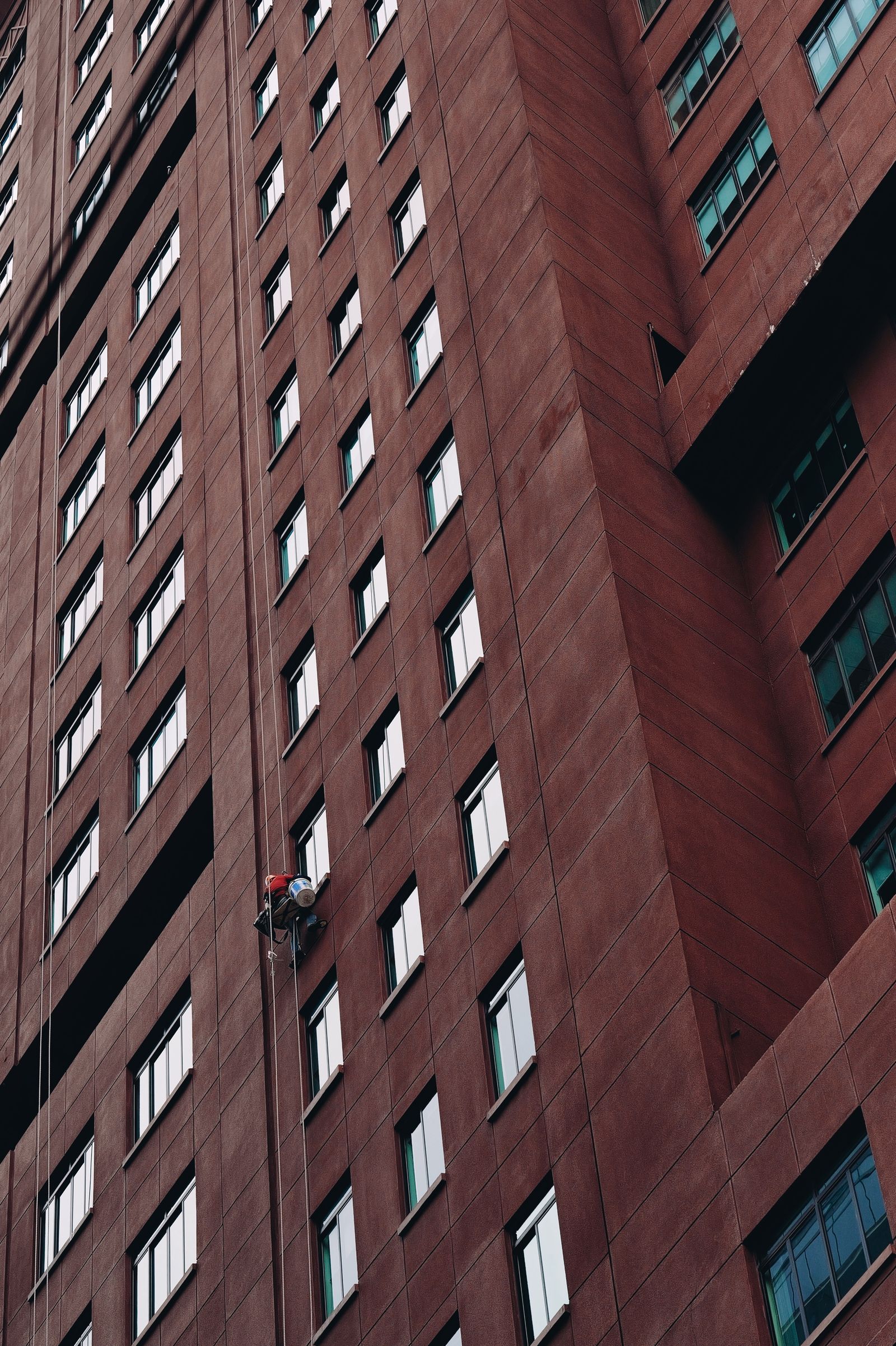
Access affects both methods. A lift may provide direct control for a detailed upper wall, but it needs a stable setup area and may conflict with sidewalks, transit, parking, deliveries, or event routes. Poles can serve selected lower and mid-level areas but cannot agitate every bonded deposit. A drone may assist broad upper wetting or rinsing when line of sight, stand-off distance, wind, launch space, water, and ground separation are workable. It cannot squeegee glass, brush a ledge, scrape approved residue, repair a joint, or assess a loose component by touch.
Downtown streets around Broad, Market, Washington, and Halsey require a different control plan from a warehouse near the port or an open airport-area property. The Ironbound adds restaurants, mixed-use doors, and active pedestrian edges. University Heights adds campus schedules, security, laboratories, and institutional occupants. Newark Liberty International Airport adds aviation sensitivity and changing traffic patterns. If aerial equipment is considered, the operator must also comply with current FAA Part 107 rules and applicable airspace requirements. Ground access and aviation approval are separate decisions.
Weather and runoff can decide the method
Newark's rain, summer humidity, pollen, winter snow, salt, and freeze-thaw cycles alter both cleaning and scheduling. Pressure can move loosened soil quickly but also spread dirty water into entries or neighboring areas. Soft-wash chemistry needs an appropriate dwell and rinse, which can be shortened by hot sun or interrupted by rain. Cold temperatures can change chemical performance and leave water on shaded pavement. Gusts around towers, river-facing walls, and open industrial lots can create spray drift even when a ground-level forecast appears calm.
The property plan should map water source, hoses, slopes, inlets, catch basins, basement doors, landscaping, low points, snow storage, loading areas, and routes toward the Passaic River or other receiving waters. NJDEP identifies stormwater discharges as part of the NJPDES permitting framework. Wash water containing product, sediment, or loosened soil should not be sent to a drain by assumption. Controls may include diversion, inlet protection, collection, recovery, filtration, reduced volume, and coordination with the responsible authority based on current site conditions and requirements.
Make the quote answer the comparison
A useful Newark proposal names each surface and elevation, likely soil, test method, access route, pressure or chemistry controls, water source, runoff assumptions, weather limits, public protection, expected improvement, and exclusions. It should tell the owner whether the lower wall, sidewalk, loading slab, windows, canopy, parapet, and roofline are separate work items. It should also distinguish cleaning from repair, coating replacement, glass restoration, facade inspection, and environmental or discharge approvals.
Ask for a hybrid recommendation when the property is mixed. Soft washing may serve compatible brick or coated panels, controlled pressure may serve sound concrete, and direct-contact work may serve windows, signs, ledges, or stubborn residue. Some conditions should be referred rather than washed harder. The best method is the one that gives the building the expected maintenance result while keeping people, finishes, drainage, and operations within a plan the property team can actually manage.
Drone Building Cleaners can review Newark offices, retail, hospitality, education, healthcare, mixed-use, warehouse, and industrial exteriors. Send the address, photos, materials, target elevations, operating hours, water access, drains, and desired finish to request a recommendation. A quote built around the actual building makes the soft-wash versus pressure-wash decision much easier to approve.